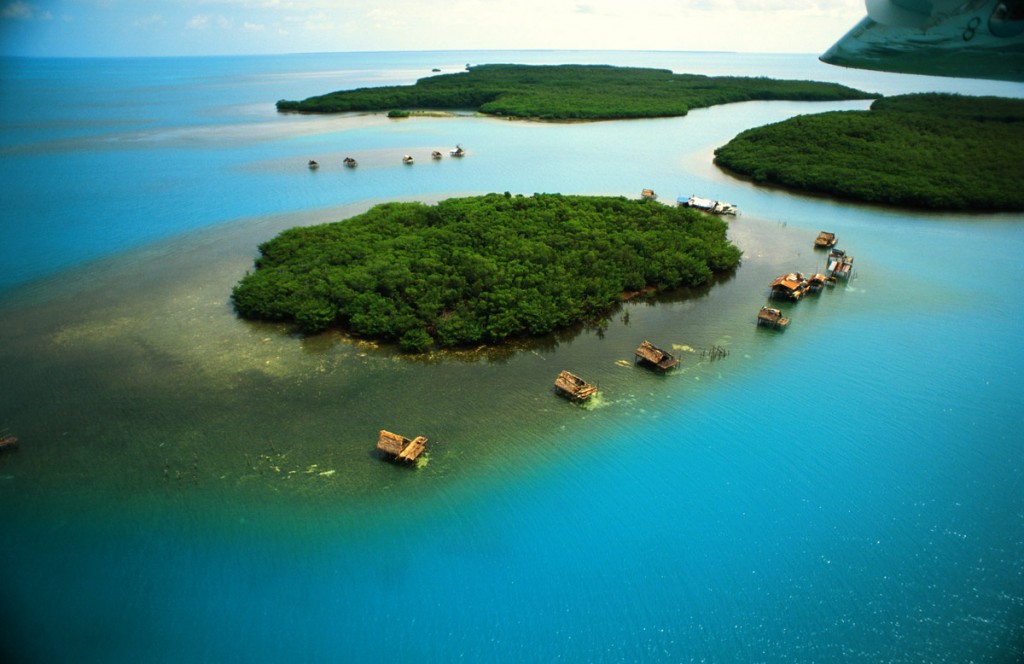
Nicaragua is the largest country in Central America, with a land mass of just over 50,000 sq. miles. It is bordered by Honduras and the Gulf of Fonseca to the north, Costa Rica to the south, the Caribbean Sea to the east, and the Pacific Ocean to the west. The current population of Nicaragua is approximately 6 million people, with the capital Managua and its metropolitan area home to over 2.4 million.
Geography:
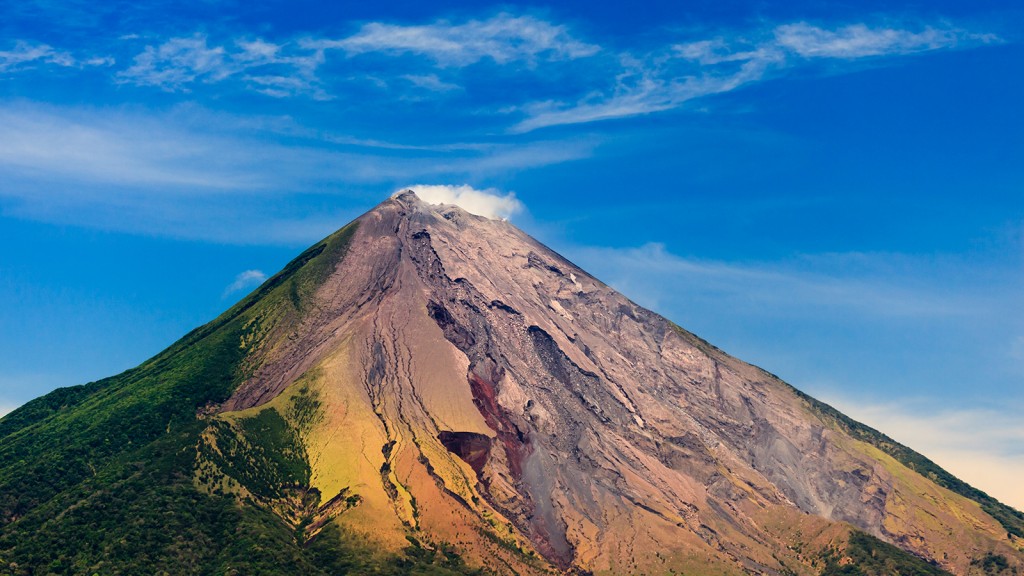
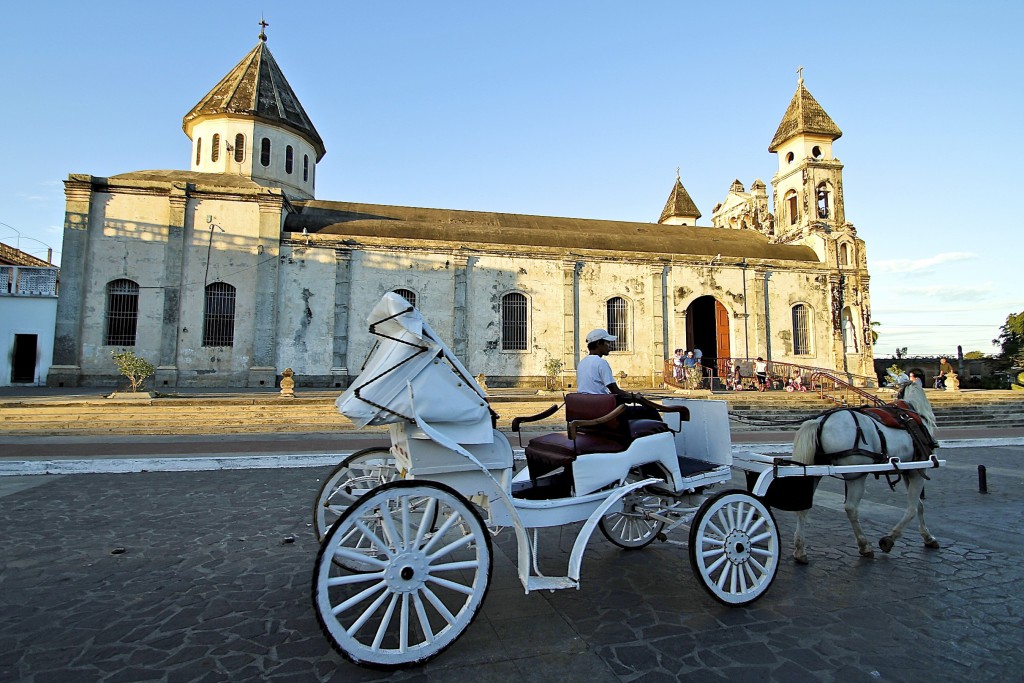
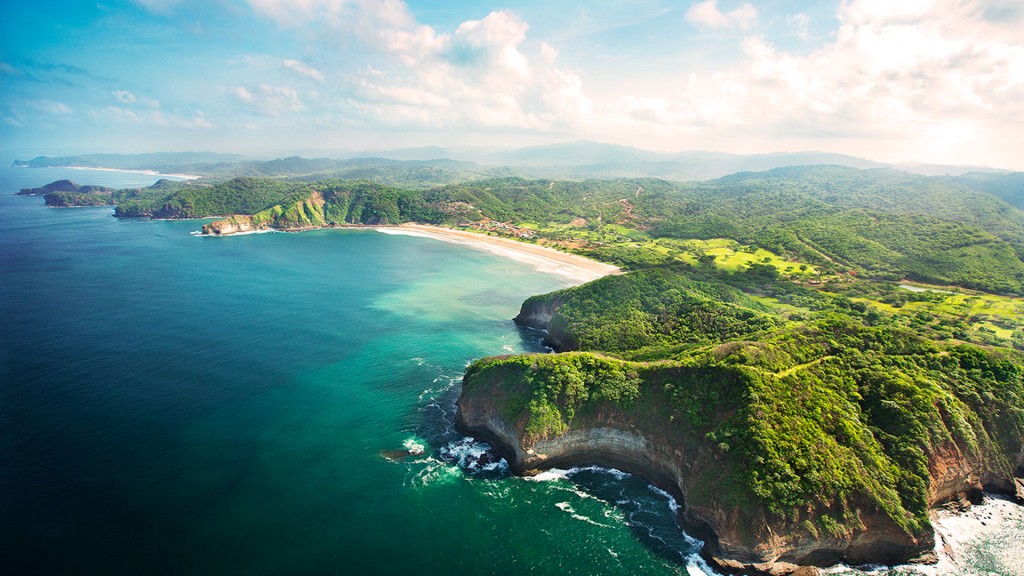
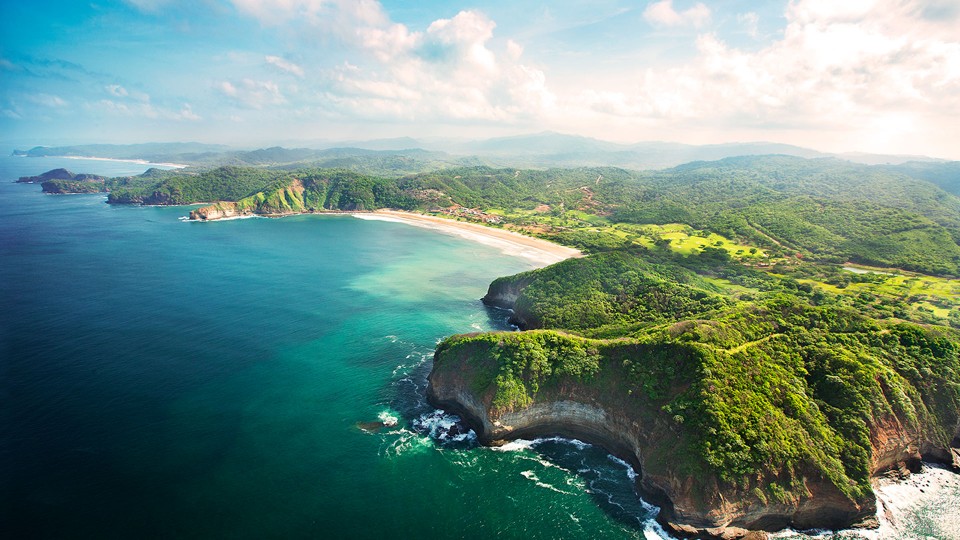
Nicaragua is divided into three geographic regions – the Pacific Lowlands, the North Central Highlands, and the Caribbean Lowlands. Nearly 20% of its land is protected as national parks, conservation areas, or biological reserves.The Pacific lowlands stretch from the Gulf of Fonseca to the Costa Rican border and are home to Lake Nicaragua, the largest freshwater lake in Central America. This region is the most populated and includes Managua, León, Granada, numerous volcanoes, and the Emerald Coast’s beach destinations.
The Northern Highlands are less populated and feature elevations between 2,000 and 5,000 feet, offering cooler temperatures and a longer rainy season. This region produces a significant portion of Nicaragua’s agriculture, particularly coffee grown on mountain slopes.
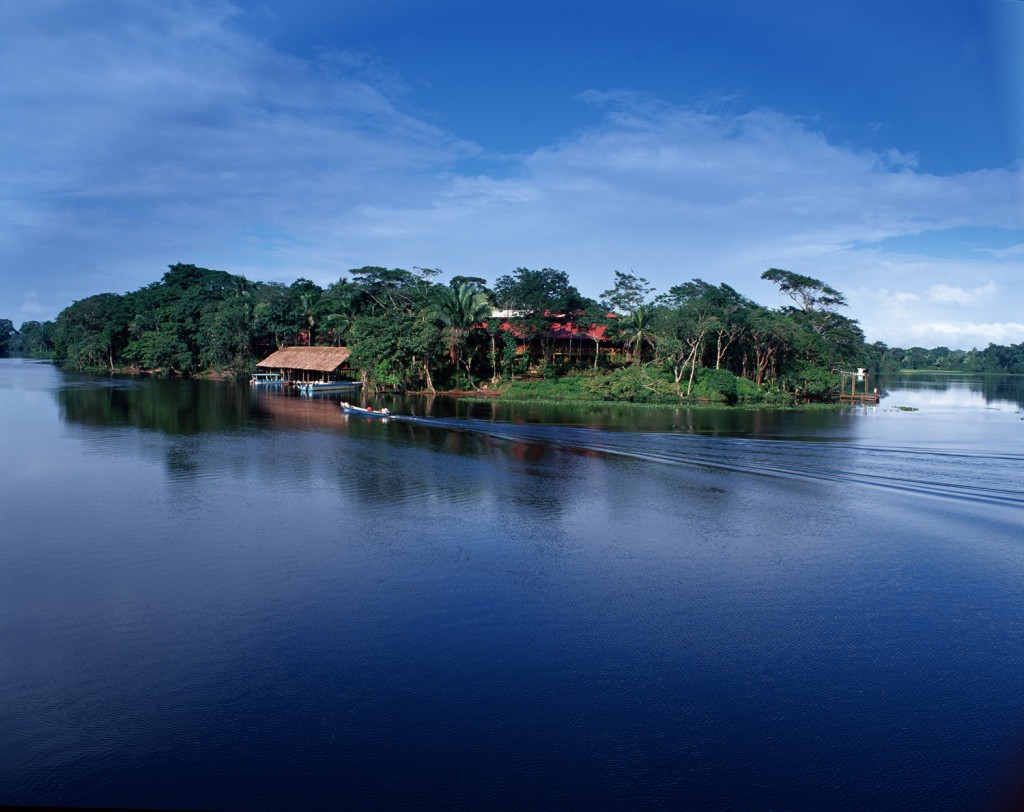
The Caribbean Lowlands are dominated by rainforest ecosystems, large rivers, and remote landscapes. The Río Coco, the largest river in Central America, forms part of the northern border. The Bosawás Biosphere Reserve, one of the most important protected areas in the Americas, is located here. The Caribbean coast has a distinct cultural identity, where English is widely spoken alongside Spanish.
Weather:
Nicaragua enjoys an average temperature of 27°C (80°F) year-round, with humidity averaging around 65%. The green season runs from mid-May to mid-November, while the dry season spans late November through early May. Rain typically comes in short bursts during the green season, rarely lasting more than a few hours. The hottest period is from March to May, with cooler temperatures from October to January.
Other Facts:
Currency: Córdoba (approximately 26 córdobas to $1 USD). U.S. dollars are widely accepted in hotels and restaurants, though change is typically given in local currency. Credit and debit cards are commonly used, and ATMs are available in major cities.
Passports: Required for all visitors. U.S., European, and most Latin American travelers do not require a visa.
Airport Taxes: Entrance tax is approximately $10 USD; exit tax is approximately $32 USD and is often included in airline tickets.
Gratuities & Tipping: A 10% service charge is typically included in restaurant bills. Sales tax (IVA) is 15%.
Local Time: Central Standard Time (no daylight saving time)
Electrical Current: 110 volts with standard U.S. plugs
Why Visit Nicaragua:
Nicaragua offers an incredible range of experiences for every type of traveler. Families can enjoy beaches, rainforest exploration, and cultural activities. Adventure seekers can surf along the Pacific coast, hike and even volcano-board down Cerro Negro, or explore untouched wilderness along the Caribbean coast.History lovers will find ancient archaeological sites on Zapatera Island and Isla del Muerto, as well as the colonial beauty of Granada and León. From rustic eco-lodges to luxury beachfront resorts, Nicaragua delivers both authenticity and comfort. Couples and honeymooners can enjoy secluded coastal escapes, especially around San Juan del Sur.
Nicaragua Safety:
Nicaragua is considered one of the safer destinations in Central America and the Western Hemisphere. While its past is often remembered, today it offers a welcoming and secure environment for travelers. As with any destination, visitors should remain aware of their surroundings and take standard travel precautions.
Start planning your journey with custom Nicaragua travel from New Orleans and let Nature Tours create a personalized adventure tailored just for you.